

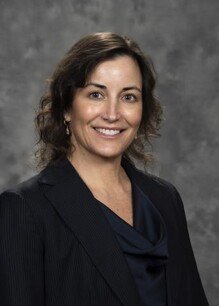
Dr. Angelus Alvarez Secord
Gynecologic Oncologist, Duke University Medical Center and Duke Cancer Institute.
My name is Angelus Alvarez Secord. I am a gynecologic oncologist at Duke University Medical Center and the Duke Cancer Institute.
In 2024, we faced unprecedented chemotherapy shortages affecting patients with gynecologic cancers. We were desperate to find ways to help and to better understand what resources were available. As part of that effort, I searched for “Congressional action and chemotherapy shortages,” which led me to a Congressional briefing where Laura Bray delivered testimony on this issue and its detrimental impact on patients and their families.
Her testimony was incredibly powerful—it brought me to tears. Hearing her describe her family’s experience, especially her daughter being told, “We don’t have chemotherapy to treat you today,” was deeply moving. For a child to face a life-and-death situation due to a preventable shortage—and for so many patients across our country to experience the same—struck a profound chord with me. I knew immediately that I wanted to meet her. She’s truly an incredible individual, a fierce champion for patients, and a changemaker who took this horrible, negative experience and made something so positive out of it. Angels for Change today is helping so many people get access to chemotherapy.
At the time, I was serving as President of the Society of Gynecologic Oncology, and I felt strongly that we needed to act to prevent these shortages from continuing. Drug shortages have persisted in this country for more than two decades and are not improving. Many chemotherapy agents remain on shortage lists, and meaningful progress will require policy change.
I reached out to the Duke Margolis Center for Health Policy and connected with leaders of the End Drug Shortages Alliance. Through that outreach, I met Stephen Colville, who introduced me to Laura. When we spoke, I shared what our gynecologic cancer patients were facing—and she immediately offered to help.
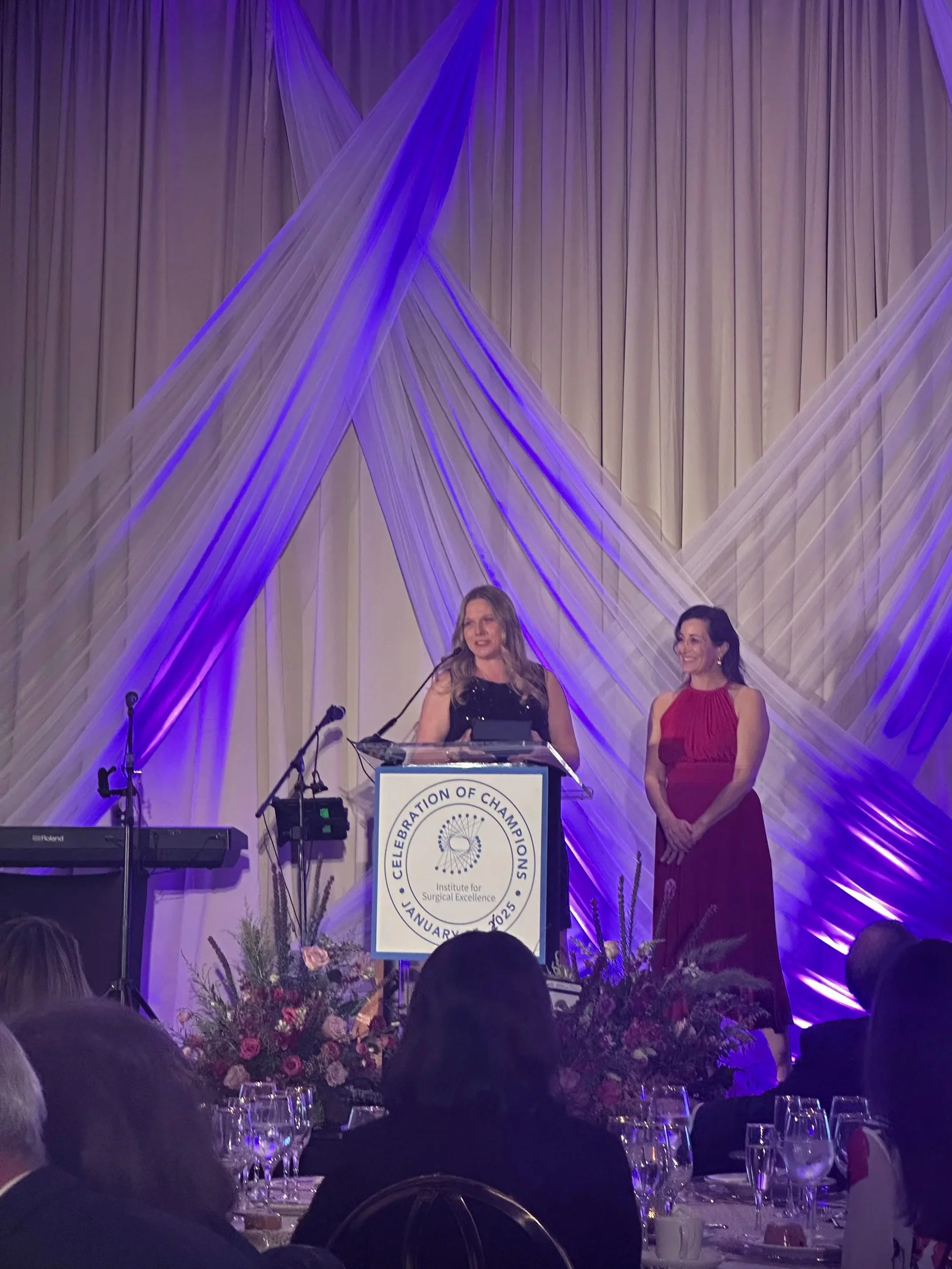
Laura Bray & Dr. Secord at the Society of Gynocologic Oncology Awards
When patients contacted me because they could not access their chemotherapy, I connected them with Angels for Change. Laura uses an approach called “microsourcing,” working with manufacturers, distributors, and health systems to locate and reallocate available drug supply—helping one patient or hospital at a time. By stewarding supply in this way, she ensures that medication is directed where it is needed most. If one site has inventory that is not urgently needed, she helps coordinate its transfer to another center facing a shortage. Through this work, she has helped countless patients access life-saving medications.
The work that Laura is doing is life-saving work.
She received the Society of Gynocologic Oncology Award as well as the Institute of Surgical Excellence Award in recognition of all she has done and continues to do for our patients.
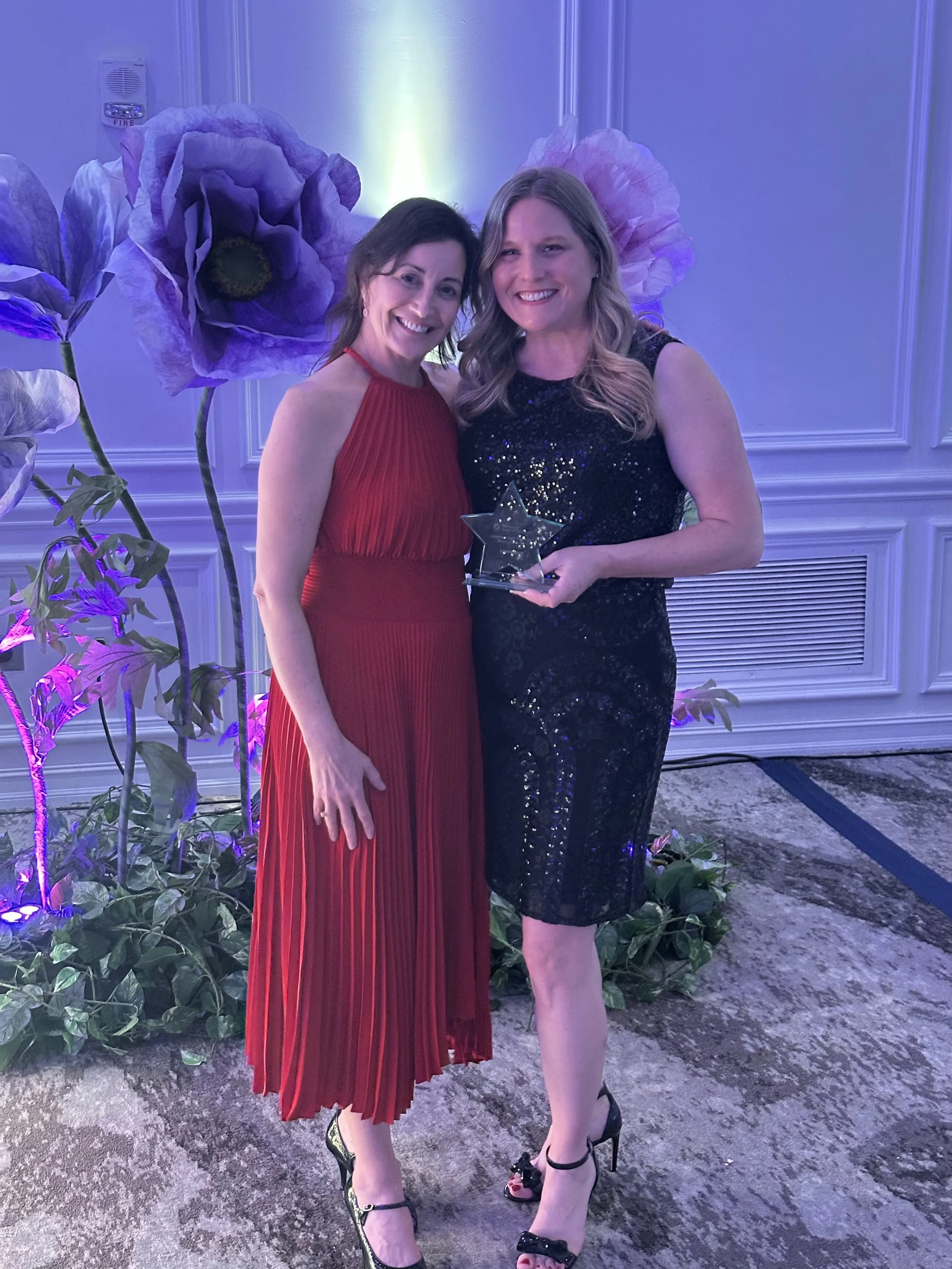
Dr. Secord and Laura Bray, recipient of the Institute of Surgical Excellence Award
While policy changes can and should help prevent shortages in the future, not enough has been done at the Congressional level to eliminate them. That is why organizations like Angels for Change are so essential. We need the energy, commitment, and leadership that Laura brings to ensure these medications remain accessible.
As Laura says, no patient should ever be told that the drugs that could save their life are not available. Yet this is the reality many cancer patients face. It is unthinkable that a life-saving treatment may exist, but patients cannot access it due to gaps in manufacturing and distribution.
I have seen firsthand how Laura’s work through Angels for Change has helped our patients fight gynecologic cancer. Please support Angels for Change so they can continue this life-saving work.