In the News

Cancer drug shortages threaten lives as efforts to prevent them hit regulatory red tape

Cancer drug shortages threaten lives as efforts to prevent them hit regulatory red tape

Drug shortages continue to put patients at risk.

As highlighted by The National Desk’s Spotlight on America, children with cancer and their families continue to face uncertainty when critical medicines like ifosfamide are in short supply.

For Abby Bray, this was personal. Patient One was Abby. Her experience navigating drug shortages during cancer treatment became the catalyst for Laura Bray’s advocacy and the founding of Angels for Change.

We remain committed to advancing solutions that strengthen the pharmaceutical supply chain and ensure every patient has access to the medicines they need.

Laura Bray featured in the New York Post Amid Estrogen Patch Shortage

Laura Bray featured in the New York Post Amid Estrogen Patch Shortage

Women across the country are struggling to access estrogen patches, with some traveling long distances, rationing medication, or searching for alternatives to maintain access to their treatment.

The New York Post recently examined the shortage and the challenges patients are facing. Laura Bray, Founder of Angels for Change, spoke with the publication about why the shortage was predictable following the FDA’s removal of the black box warning for estrogen-based hormone replacement therapy.

Patient One, Now a Patient Advocate: Abby Bray Shares Her Story

Patient One, Now a Patient Advocate: Abby Bray Shares Her Story

For the first time since 2019, Abby Bray is sharing her cancer journey in her own words.

For years, Abby kept her story private. Now, five years cancer-free, she is choosing to share her experience and use her voice to advocate for other patients facing drug shortages.

Abby was Patient One for Angels for Change.

Today, she is helping carry that mission forward as a member of the Angels for Change Patient Advocacy Board, which brings patients, caregivers, and lived experiences directly into our advocacy work.

USP 2025 Annual Drug Shortage Report

USP 2025 Annual Drug Shortage Report

The 2025 USP Drug Shortages Report has been released, and it highlights a troubling trend: discontinuations of essential, life-saving medicines continue to rise.

In 2025, drug product discontinuations increased by 60%, reaching the highest annual total in 5 years. Drug shortages are often driven by single points of failure; medicines that are manufactured at only one facility or place in the world. When products are discontinued, the market becomes even more concentrated, leaving patients with fewer treatment options and fewer backup sources when disruptions occur.

Spotlight on America: Cancer drug shortages leave families waiting; Texas startup tries to fill the gap

Spotlight on America: Cancer drug shortages leave families waiting; Texas startup tries to fill the gap

This Spotlight on America report follows families like Bryton’s, whose cancer treatment was overshadowed by the fear of drug shortages—forcing them to wait and wonder if life-saving medications would be available. As shortages of essential chemotherapy drugs disrupt care nationwide, the story highlights both the human toll of an unstable supply chain and emerging solutions.

Laura Bray Featured in APIIC White Paper on Strengthening the Drug Supply Chain

Laura Bray Featured in APIIC White Paper on Strengthening the Drug Supply Chain

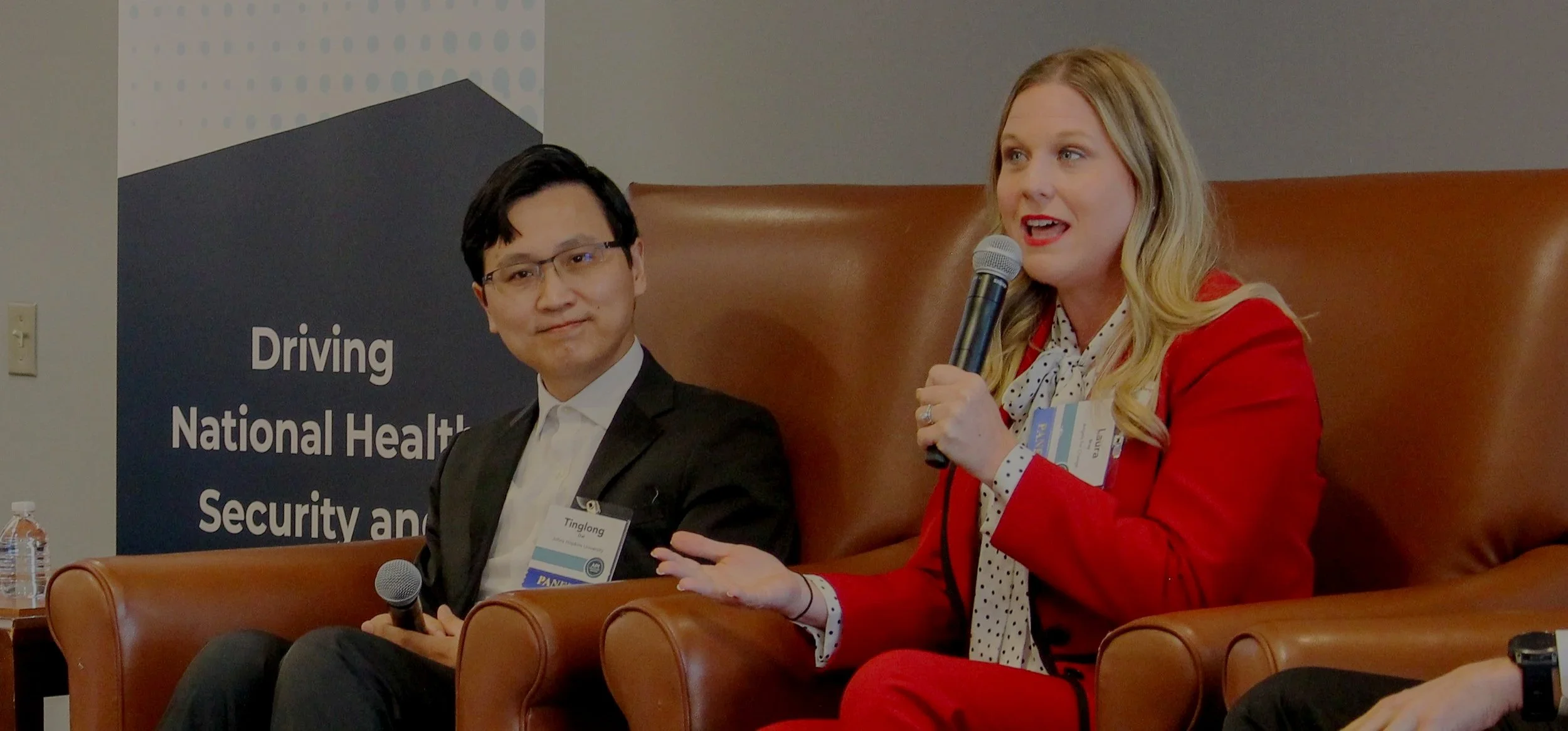
Laura Bray and Angels for Change highlighted in the newly released white paper from the API Innovation Center, “Fragility to Resilience: Aligning Investment and Purchasing to Secure America’s Drug Supply Chain.”

Bray emphasized a clear call to action for leaders across the healthcare ecosystem to work together to solve the drug shortage crisis:

“This is not the patient’s job to solve at all… This is a supply chain failure.”

The Warriors behind the Drug Shortage Crisis: A Capitol Hill Briefing

The Warriors behind the Drug Shortage Crisis: A Capitol Hill Briefing

Drug shortages are not just a supply chain problem—they are personal. In this Capitol Hill briefing hosted by U.S. Pharmacopeia (USP), patients share firsthand how medication shortages have disrupted care, created fear and uncertainty, and put lives at risk. Their stories underscore the urgent need for stronger policies, better transparency, and a more resilient drug supply system—because patients are counting on us.