Drug shortages continue to put patients at risk, threatening access to lifesaving cancer treatments and creating uncertainty for healthcare providers who are often forced to make urgent, real-time decisions about patient care.
USP 2025 Annual Drug Shortage Report
The 2025 USP Drug Shortages Report has been released, and it highlights a troubling trend: discontinuations of essential, life-saving medicines continue to rise.
In 2025, drug product discontinuations increased by 60%, reaching the highest annual total in 5 years. Drug shortages are often driven by single points of failure; medicines that are manufactured at only one facility or place in the world. When products are discontinued, the market becomes even more concentrated, leaving patients with fewer treatment options and fewer backup sources when disruptions occur.
What the Iran war could mean for pharmaceuticals
Spotlight on America: Cancer drug shortages leave families waiting; Texas startup tries to fill the gap
This Spotlight on America report follows families like Bryton’s, whose cancer treatment was overshadowed by the fear of drug shortages—forcing them to wait and wonder if life-saving medications would be available. As shortages of essential chemotherapy drugs disrupt care nationwide, the story highlights both the human toll of an unstable supply chain and emerging solutions.
Laura Bray Featured in APIIC White Paper on Strengthening the Drug Supply Chain
Laura Bray and Angels for Change highlighted in the newly released white paper from the API Innovation Center, “Fragility to Resilience: Aligning Investment and Purchasing to Secure America’s Drug Supply Chain.”
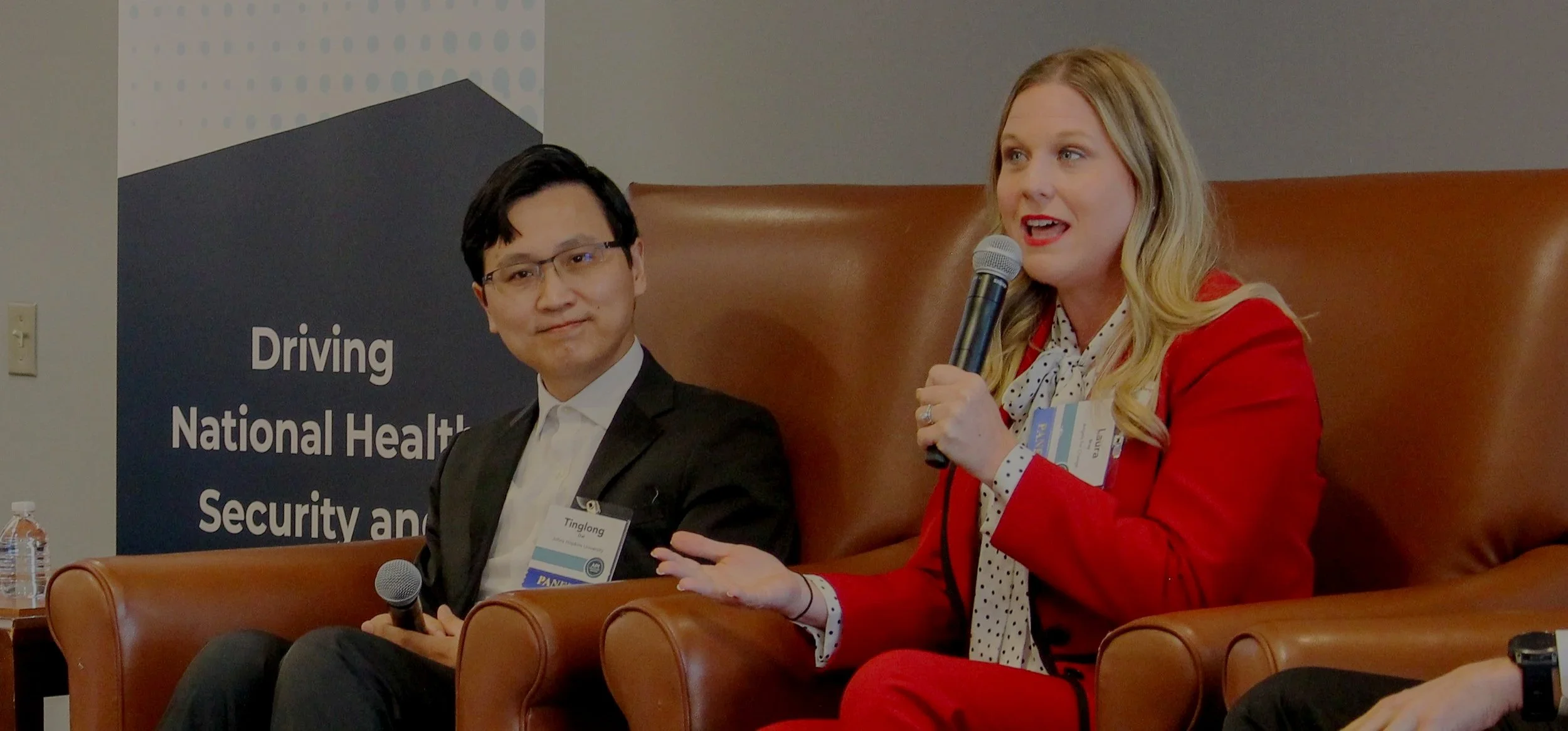
Bray emphasized a clear call to action for leaders across the healthcare ecosystem to work together to solve the drug shortage crisis:
“This is not the patient’s job to solve at all… This is a supply chain failure.”
The Warriors behind the Drug Shortage Crisis: A Capitol Hill Briefing
Drug shortages are not just a supply chain problem—they are personal. In this Capitol Hill briefing hosted by U.S. Pharmacopeia (USP), patients share firsthand how medication shortages have disrupted care, created fear and uncertainty, and put lives at risk. Their stories underscore the urgent need for stronger policies, better transparency, and a more resilient drug supply system—because patients are counting on us.
Project GOLD highlighted in USP Article
Nearly half of U.S. drug shortages, 47%, are tied to sudden spikes in demand, according to new data from the USP Medicine Supply Map. Angels for Change Project GOLD is highlighted in the article as a solution-oriented initiative that uses demand signals and buffer supply to help protect patients from shortages.
Tradeoffs Podcast Update: "Race to the Bottom: Hard Bargain"
Exploring Life and Business with Laura Bray of Angels for Change, Inc.
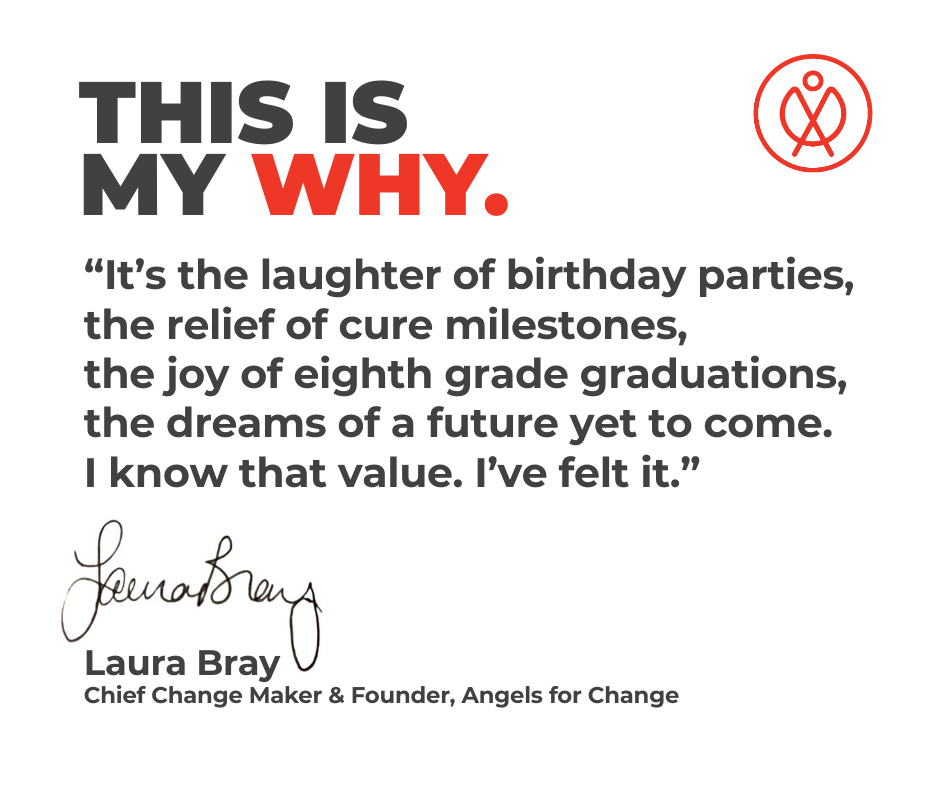
Laura Bray discusses the personal inspiration behind her nonprofit, Angels for Change in a December 2025 interview with Voyage Tampa. Motivated by her daughter's struggle with chemotherapy drug shortages, Bray transitioned from a business professor to lead an organization dedicated to solving pharmaceutical supply chain issues.
EDSA Announces 2025 Catalyst Award Honorees, Celebrating ‘Progress Through Partnership’ in Strengthening Drug Supply Resilience
Congratulations to Project PROTECT, recently honored with the 2025 EDSA Catalyst Award for Outstanding Industry Collaboration from the End Drug Shortages Alliance. This award honors a multi-stakeholder partnership that has measurably improved drug access and strengthened supply resilience through cooperation, transparency, and innovation.
This award is especially meaningful because it reflects what Project PROTECT was built on from the very beginning: collaboration, ingenuity, and a shared commitment to protecting patients from essential medicine shortages. Together, Angels for Change, STAQ Pharma, and the Children’s Hospital Association designed and launched a model that brings hospitals, advocacy groups, manufacturers, and supply chain experts around one table to strengthen the stability of the drug supply chain.